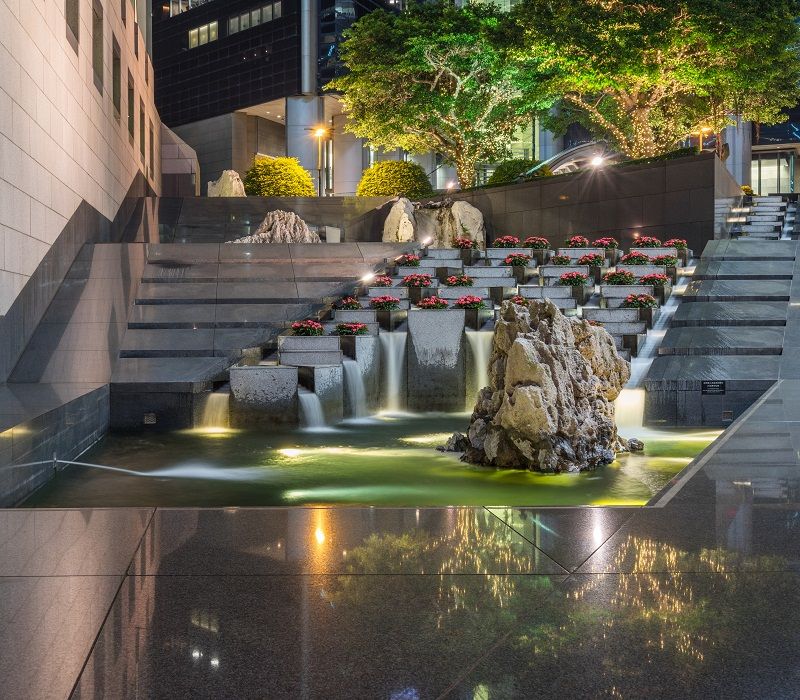
Imagine stepping outside your door into a personal oasis – a space that reflects your style, nurtures your well-being, and blends seamlessly with nature. That’s the transformative power of exceptional landscape design, and it’s precisely the vision embodied in KDArchitects Landscape Ideas by Roger Morph. This concept represents a curated approach to creating outdoor living spaces that are not just beautiful, but deeply functional, sustainable, and uniquely tailored to the homeowner. If you’re seeking inspiration to elevate your garden, patio, or entire property, exploring the principles and concepts behind KDArchitects Landscape Ideas by Roger Morph is the perfect starting point.
Who is Roger Morph and What is KDArchitects?
While KDArchitects might not be a globally recognized firm name in this specific context (it could represent a local practice, a design studio concept, or a specific portfolio focus), the name Roger Morph signifies an individual landscape architect or designer known for a distinctive design philosophy. Think of Roger Morph as the creative force behind a collection of innovative and practical landscape ideas. His approach, likely showcased under the KDArchitects banner, emphasizes:
- Harmonious Integration: Blending the built environment (your home) flawlessly with the natural surroundings.
- Functional Artistry: Creating spaces that are as usable for entertaining, relaxing, or playing as they are visually stunning.
- Sustainable Practices: Prioritizing eco-conscious choices like native plants, water conservation (xeriscaping principles), and permeable materials.
- Client-Centric Vision: Tailoring each design to the specific lifestyle, preferences, and property characteristics of the homeowner.
- Attention to Detail: Focusing on textures, materials, transitions, and the interplay of light and shadow for a polished, cohesive look.
The Core Principles of KDArchitects Landscape Ideas by Roger Morph
Before diving into specific ideas, understanding the foundational principles that guide Roger Morph’s approach is key. These principles ensure the landscape isn’t just a collection of plants and pavers, but a thoughtfully designed extension of your living space:
- Site Analysis is Paramount: Every great landscape begins with understanding the canvas. Roger Morph’s ideas likely emphasize thorough analysis of:
Sun & Wind Patterns: Crucial for plant selection and positioning seating areas comfortably.
Existing Topography & Drainage: Working with slopes, not against them; ensuring water flows away from structures.
Soil Conditions: Determining soil type and pH to choose thriving plants and amend if necessary.
Existing Vegetation & Features: Deciding what to preserve, remove, or repurpose.
Views (Good & Bad): Maximizing desirable vistas and screening undesirable ones.
- Defining Purpose & Zones: What do you do in your yard? Roger Morph’s designs excel at creating distinct “outdoor rooms”:
Entertainment Zone: Featuring patios, decks, outdoor kitchens, fire pits, and ample seating.
Relaxation & Retreat Zone: Incorporating quiet nooks, hammocks, meditation gardens, or water features.
Play & Activity Zone: Designing safe, functional spaces for children, pets, or sports (lawns, play structures).
Utility Zone: Cleverly concealing compost bins, tool sheds, or AC units with strategic planting or fencing.
Culinary/Edible Zone: Integrating raised beds, herb gardens, or even small orchards aesthetically.
- Embracing Sustainability (Beyond a Buzzword): Roger Morph’s ideas likely champion environmentally responsible design:
Native & Adapted Plants: Choosing plants naturally suited to the local climate, requiring less water, fertilizer, and pesticides. This supports local wildlife too.
Water-Wise Strategies: Utilizing drip irrigation, rainwater harvesting systems (rain barrels, cisterns), drought-tolerant plant groupings (hydrozoning), and permeable paving.
Soil Health: Promoting composting and using organic mulches to improve soil structure and water retention.
Wildlife Habitat: Incorporating elements like bird baths, native flowering plants for pollinators, and brush piles for beneficial insects.
- The Art of Layering & Texture: Great landscapes engage the eye at multiple levels. Roger Morph’s ideas often involve:
Vertical Layering: Combining canopy trees, understory trees, shrubs, perennials, groundcovers, and possibly vines.
Textural Contrast: Pairing fine-textured grasses with bold-leaved hostas, smooth stones with rough bark, soft moss with sleek metal.
Seasonal Interest: Ensuring something is captivating year-round – spring blooms, summer foliage, autumn color, winter structure/berries/evergreens.
- Material Selection with Intent: Every material choice contributes to the aesthetic and function:
Hardscaping: Natural stone (flagstone, slate, granite), pavers (concrete, brick), gravel, decomposed granite, sustainably sourced wood (composite decking alternatives).
Softscaping: The plant palette – trees, shrubs, perennials, annuals, grasses, groundcovers.
Accents: Metal (corten steel, powder-coated aluminum), glass, lighting fixtures, water features, art.
Inspiring KDArchitects Landscape Ideas by Roger Morph
Now, let’s translate those principles into tangible concepts you can adapt. These KDArchitects Landscape Ideas by Roger Morph cover a range of styles and scales:
- The Seamless Indoor-Outdoor Connection:
Concept: Blur the lines between inside and out. Roger Morph might achieve this through large sliding glass doors opening onto a perfectly level patio or deck, using similar flooring materials (e.g., tile extending outside), consistent color palettes, and strategically placed landscaping that draws the eye outward.
Key Elements: Expansive openings, level transitions, coordinated materials, covered patios/decks for all-weather use, container plantings that echo interior decor.
Benefit: Expands living space, enhances natural light, promotes effortless flow for entertaining.
- The Intimate Courtyard Oasis:
Concept: Transform a small, overlooked side yard or enclosed space into a private sanctuary. Perfect for urban settings or homes with limited yard space. Roger Morph’s ideas would maximize vertical space and sensory appeal.
Key Elements: Tall fencing or walls for privacy, lush vertical gardens (green walls, trellises with climbers), a small water feature (fountain, bubbling urn) for sound, comfortable small-scale seating, shade from a small tree or umbrella, fragrant plants (jasmine, gardenias), ambient lighting (lanterns, string lights).
Benefit: Creates a private escape, adds usable square footage, reduces noise, provides a calming retreat.
- The Sustainable & Low-Maintenance Sanctuary:
Concept: Prioritize beauty without back-breaking upkeep, using Roger Morph’s eco-conscious principles. Ideal for busy homeowners or those seeking water conservation.
Key Elements: Predominantly native and drought-tolerant plants, strategic mulching, drip irrigation on timers, permeable hardscaping (gravel paths, permeable pavers), defined planting beds edged to minimize grass/weeds, evergreen structure for year-round form, minimal high-maintenance annuals. Incorporate xeriscaping principles in arid zones.
Benefit: Saves water, reduces maintenance time and costs, supports local ecology, resilient landscape.
- The Modern Edible Landscape:
Concept: Integrate food production seamlessly into the ornamental garden. Roger Morph would elevate vegetable and herb gardening beyond the traditional plot.
Key Elements: Beautifully constructed raised beds (using cedar, corten steel, or stone), espaliered fruit trees against walls or fences, edible flowers mixed with ornamentals (nasturtiums, calendula), dedicated herb spirals or parterres, berry bushes as attractive hedges, container vegetables on patios. Focus on attractive varieties (rainbow chard, purple basil, ornamental kale).
Benefit: Provides fresh, homegrown food, adds unique textures and colors, educational for families, maximizes space.
- The Family-Friendly Adventure Yard:
Concept: Design a space that encourages play, exploration, and family bonding. Roger Morph’s ideas would balance fun with safety and aesthetics.
Key Elements: Durable, level lawn area for games, imaginative play structures (natural materials preferred), sensory paths (different textures underfoot), a designated sand or water play area, hidden nooks for forts, shaded seating for supervision, tough plants that can withstand some ball games, edible plants for nibbling (strawberries, peas).
Benefit: Encourages outdoor play, develops creativity, provides safe space for kids, creates family memories.
- The Serene Water Garden Retreat:
Concept: Harness the calming power of water. Roger Morph would design water features that feel natural and integrated.
Key Elements: Naturalistic ponds with aquatic plants and marginal shelves for wildlife, recirculating streams or rills, modern reflecting pools, cascading waterfalls (natural stone or contemporary), bubbling urns or spouts. Incorporate comfortable seating nearby to enjoy the sound and movement. Use lighting to highlight water features at night.
Benefit: Creates tranquility and ambiance, attracts wildlife (birds, frogs, dragonflies), cools the surrounding area, provides a stunning focal point.
- The Artistic Focal Point Garden:
Concept: Treat the landscape as a living gallery. Roger Morph might use bold sculptural elements, dramatic plant forms, or unique hardscaping to create striking visual interest.
Key Elements: A single, dramatic specimen tree (Japanese Maple, Weeping Cherry), large-scale modern sculpture, a striking architectural plant (phormium, cordyline, large yucca), a uniquely patterned patio or walkway, a strategically placed bench that becomes part of the art, curated lighting to highlight key features.
Benefit: Creates strong visual impact, expresses personal style, serves as a conversation starter, defines the garden’s character.
- The Fragrance & Sensory Garden:
Concept: Design a landscape that delights all the senses, particularly smell. Roger Morph would layer scents throughout the day and seasons.
Key Elements: Plant heavily scented flowers near pathways, patios, and windows (roses, lilacs, gardenias, lavender, jasmine, honeysuckle, daphne, sweet box). Include plants with interesting textures for touch (lamb’s ear, ornamental grasses, fuzzy stachys), rustling leaves for sound (bamboo, grasses), edible plants for taste (herbs, berries), and visually appealing forms and colors. Seating areas immersed in scent.
Benefit: Creates a deeply immersive and therapeutic experience, evokes memories, attracts pollinators, enhances relaxation.
Implementing KDArchitects Landscape Ideas by Roger Morph: A Step-by-Step Guide
Turning inspiration into reality requires careful planning. Here’s how to approach your project using the principles behind KDArchitects Landscape Ideas by Roger Morph:
- Dream & Define (Weeks/Months):
Identify Needs & Desires: How will you use the space? (Entertaining? Play? Relaxation? Gardening?) List must-haves and nice-to-haves.
Establish Budget: Be realistic. Factor in design, materials, labor, plants, irrigation, lighting, and future maintenance. Prioritize phases if needed.
Gather Inspiration: Collect images (Pinterest, magazines), note gardens you admire. What resonates about Roger Morph’s style? Create an “idea book.”
Assess Your Site: Observe sun/shade patterns, wind, drainage issues, views, soil type, existing plants/structures. Take photos and sketch a basic map.
- Design & Plan (Weeks):
Conceptual Design: Sketch bubble diagrams placing your zones (entertaining, play, garden, etc.) considering flow, sun, wind, and privacy. Define pathways.
Plant Palette Selection: Based on your zone, sun/shade, soil, and desired style (native, cottage, modern), research suitable plants. Think about mature size, color, texture, bloom time, and maintenance. Roger Morph emphasizes natives and sustainability.
Hardscape Selection: Choose materials for patios, paths, walls, etc., that complement your home’s architecture and desired aesthetic. Consider durability, maintenance, cost, and permeability.
Create a Master Plan: Develop a scaled drawing showing all elements: property lines, house, existing features to keep, new hardscape layout, planting beds (with plant symbols/key), drainage solutions, irrigation zones, lighting locations. Software or a professional designer can help immensely here.
- Prepare the Site (Days/Weeks):
Clear the Area: Remove unwanted vegetation, debris, old structures. Protect existing trees and desirable plants.
Demolition (If Needed): Remove old patios, walkways, or structures.
Grading: Shape the land to ensure proper drainage away from the house and create desired levels for patios/lawns. This is critical.
Install Utilities: Rough-in underground irrigation lines, electrical conduits for lighting/outdoor kitchen, gas lines if needed, before hardscaping.
- Install Hardscape (Days/Weeks):
Foundations: Proper base preparation (compacted gravel) is essential for patios, walkways, and retaining walls to prevent settling.
Build Structures: Construct patios, decks, walls, steps, pergolas, outdoor kitchens, fire pits according to plan and code.
Pathways: Install main and secondary walkways using chosen materials.
- Install Irrigation & Lighting (Days):
Irrigation System: Install drip zones for beds and spray/rotor zones for lawns based on hydrozoning (grouping plants with similar water needs). Include a smart controller.
Lighting: Install transformer, wiring, and fixtures for path lights, uplights for trees/features, deck/step lights, and ambient lighting. Consider low-voltage LED.
- Planting (Days):
Soil Amendment: Amend planting beds with compost or other organic matter based on soil tests and plant needs.
Plant Placement: Follow the master plan. Consider mature plant size – avoid overcrowding. Place trees and large shrubs first.
Planting Technique: Dig holes wider than the root ball, plant at the correct depth, backfill gently, water deeply.
Mulching: Apply 2-3 inches of organic mulch (shredded bark, compost) around plants, keeping it away from stems/trunks. Crucial for moisture retention and weed suppression.
- Finishing Touches & Maintenance Begins (Ongoing):
Final Grading & Seeding/Sodding: Prepare lawn areas, install sod or seed. Apply starter fertilizer.
Add Accents: Place pots, furniture, art, water features.
Deep Watering: Ensure all new plantings are deeply watered regularly for the first season, especially during establishment.
Weed Control: Stay on top of weeds while they are small.
Pruning (Initial): Light pruning only to remove broken branches or direct growth; avoid heavy pruning on new plants.
Sustaining the Beauty: Maintenance Inspired by Roger Morph
A Roger Morph-inspired landscape is designed for sustainability and manageability, but all gardens need care. Here’s how to maintain yours effectively:
- Watering Wisely: Adjust irrigation seasonally. Water deeply and less frequently to encourage deep roots. Utilize rain sensors or smart controllers. Prioritize hand-watering for new plantings or adjustments.
- Mulch Management: Replenish mulch annually as it decomposes to maintain depth and benefits.
- Pruning with Purpose: Prune based on plant type and desired form. Focus on removing dead/diseased wood, improving structure, encouraging blooms (if flowering), and maintaining size. Avoid indiscriminate “shearing.” Research proper techniques for each plant.
- Fertilizing Mindfully: Base fertilization on soil tests. Use slow-release, organic fertilizers where possible. Over-fertilizing harms plants and pollutes waterways.
- Integrated Pest Management (IPM): Monitor for pests and diseases. Prioritize cultural controls (healthy plants, sanitation), physical controls (hand-picking, barriers), and biological controls (beneficial insects) before considering targeted, least-toxic pesticides. Tolerate minor imperfections.
- Seasonal Cleanup: Remove fallen leaves (or mulch them in place), cut back perennials at the appropriate time (often late winter/early spring for many), winterize irrigation in cold climates, protect tender plants.
- Weed Vigilance: Regular weeding (by hand or hoe) is easiest when weeds are small. Mulch is your best preventative defense.
Conclusion: Transform Your World with Inspired Design
KDArchitects Landscape Ideas by Roger Morph represent more than just pretty pictures; they embody a philosophy of creating outdoor spaces that enrich lives. It’s about understanding the unique potential of your property and weaving together functionality, artistry, and environmental stewardship. By embracing principles like thorough site analysis, purposeful zoning, sustainable practices, thoughtful layering, and intentional material selection, you can unlock a landscape that truly reflects your personality and meets your needs.
Whether you dream of a tranquil courtyard escape, a vibrant family hub, a sustainable sanctuary, or a seamless indoor-outdoor experience, the concepts inspired by Roger Morph provide a powerful blueprint. Remember, the journey involves careful planning, thoughtful implementation, and consistent, mindful care.
Start by defining your vision, study your site, seek inspiration, and don’t be afraid to start small or phase your project. Your dream outdoor space, infused with the spirit of thoughtful design like KDArchitects Landscape Ideas by Roger Morph, is waiting to be realized. Step outside and begin the transformation.
FAQs: KDArchitects Landscape Ideas by Roger Morph
Q: Who is Roger Morph?
A: The creative force behind the “KDArchitects Landscape Ideas” philosophy, focusing on functional, sustainable, and personalized outdoor designs. KDArchitects may be his firm or a portfolio name.
Q: Are these ideas only for large properties?
A: No. The principles apply to any space—balconies, courtyards, or big yards—through smart zoning and scalable solutions.
Q: How much does implementation cost?
A: Costs vary widely based on property size, materials, labor, and project scope. Sustainable choices can reduce long-term expenses.
Q: Is gardening experience needed?
A: Not necessarily. Start small (e.g., container gardens), use low-maintenance native plants, or hire a designer for complex projects.
Q: How to incorporate sustainability?
A: Prioritize native/drought-tolerant plants, drip irrigation, rain barrels, permeable surfaces, compost, and wildlife-friendly features.
Q: How long does a redesign take?
A: From weeks (small projects) to months (complex work). Planning and phasing help manage timelines.
Q: Where to find visual inspiration?
A: Search “sustainable landscape design,” “modern garden ideas,” or “functional outdoor spaces” on Pinterest, Houzz, or Instagram.
For more articles visit our website “arcadepunks.space”